
Maintaining a beautiful landscape in Stoughton, MA, requires more than just mowing the lawn and watering the flower beds. Our staff recognizes that trees are the foundation of your property value and safety, yet many homeowners find themselves wondering how often they should trim their trees to keep them in peak condition. While standard intervals exist, the specific timing depends heavily on the species and the current season. As your local resource for tree health, our team at Walnut Tree Service wants to provide the clarity you need to manage your landscape effectively throughout the entire year.
Understanding the Seasonal Tree Trimming Cycle
Timing your maintenance according to the biological state of your trees is the most effective way to ensure their longevity. Our staff assesses whether a tree is in dormancy or active growth to determine the best course of action.
The Advantages of Dormant Pruning in Winter
Late winter is often considered the gold standard for pruning because the lack of foliage allows our crew to see the tree’s entire structure and identify hidden defects. Trimming during dormancy also ensures that the tree can focus its energy on healing wounds as soon as the spring growth cycle begins.
Managing Growth During Spring and Summer
During the warmer spring and summer months, our staff primarily focuses on slowing the growth of overactive branches or removing water sprouts that sap energy from the main trunk. We exercise caution during this time because certain species should not be handled when sap is flowing heavily to avoid unnecessary stress and pest infestations.
Why Fall Trimming Should Generally Be Avoided
We typically advise against heavy trimming in the fall because fungal spores spread more easily during this season, and trees heal much more slowly in the cooling temperatures. This combination makes trees vulnerable to various diseases that can be avoided by waiting until the winter freeze.
Trimming Frequency Based on Species and Condition
Once you understand the best time of year to prune, it is helpful to establish a regular schedule based on the specific tree types on your property. Every species has different requirements for staying strong and productive.
Standard Intervals for Common Tree Types
Evergreens rarely require frequent intervention from our team, though we recommend periodic checks for dead wood or storm damage to maintain their density. Deciduous shade trees generally benefit from a professional thinning every three to five years to manage their size and weight. Fruit trees are the exception to these longer intervals, as they usually require annual pruning to maximize fruit production and maintain manageable branch strength.
Recognizing Red Flags Between Scheduled Trims
Our staff also encourages homeowners to watch for immediate warning signs indicating the need for help between scheduled visits. These red flags include dead or decaying branches, limbs encroaching on your roof or power lines, and crossed branches that rub against each other. If you notice strategic thinning is required after a heavy Stoughton storm, our team can assess the damage to prevent further structural failure.
The Long-Term Benefits of Regular Tree Maintenance
Committing to a consistent maintenance plan provides significant rewards that extend far beyond simple aesthetics. Our proactive approach ensures that your landscape remains a safe and beautiful asset for years to come.
Enhancing Tree Health and Structural Integrity
Regular thinning improves the airflow and sunlight penetration within the canopy, which reduces the risk of leaf diseases and strengthens the internal structure. By removing weak or diseased limbs before they fail, we can prevent decay from spreading into the main trunk and compromising the entire tree.
Protecting Your Property and Family
From a safety perspective, our work reduces the risk of falling limbs during the high winds and heavy snow common in Massachusetts. Well-maintained trees not only protect your family and home but also significantly increase the curb appeal and overall market value of your Stoughton property.
Trust Walnut Tree Service for Safe, Professional Trimming in Stoughton
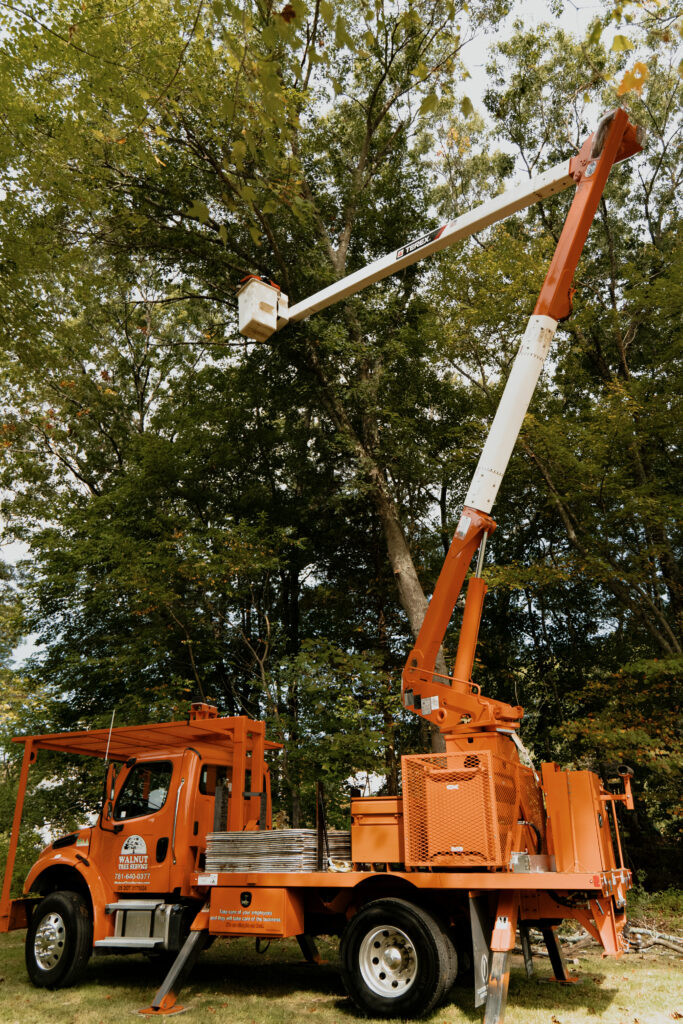
Professional expertise is critical when handling large limbs or complex structural issues because improper techniques, like topping, can permanently stunt or kill a tree. Our staff utilizes specialized tools and safety gear to manage dangerous tasks that would be risky for a homeowner to attempt without training.
Why Professional Care Matters
Using the right equipment ensures that cuts are clean and positioned correctly to promote rapid healing. Our team is trained to handle the unique challenges of New England landscapes, ensuring that every cut serves a purpose for the tree’s future.
Schedule Your Seasonal Inspection Today
Walnut Tree Service remains dedicated to providing the residents of Stoughton with safe and effective solutions for every landscape challenge. If you are uncertain about the current state of your canopy or how often to trim your trees for your specific species, we invite you to contact our team for a professional consultation.