
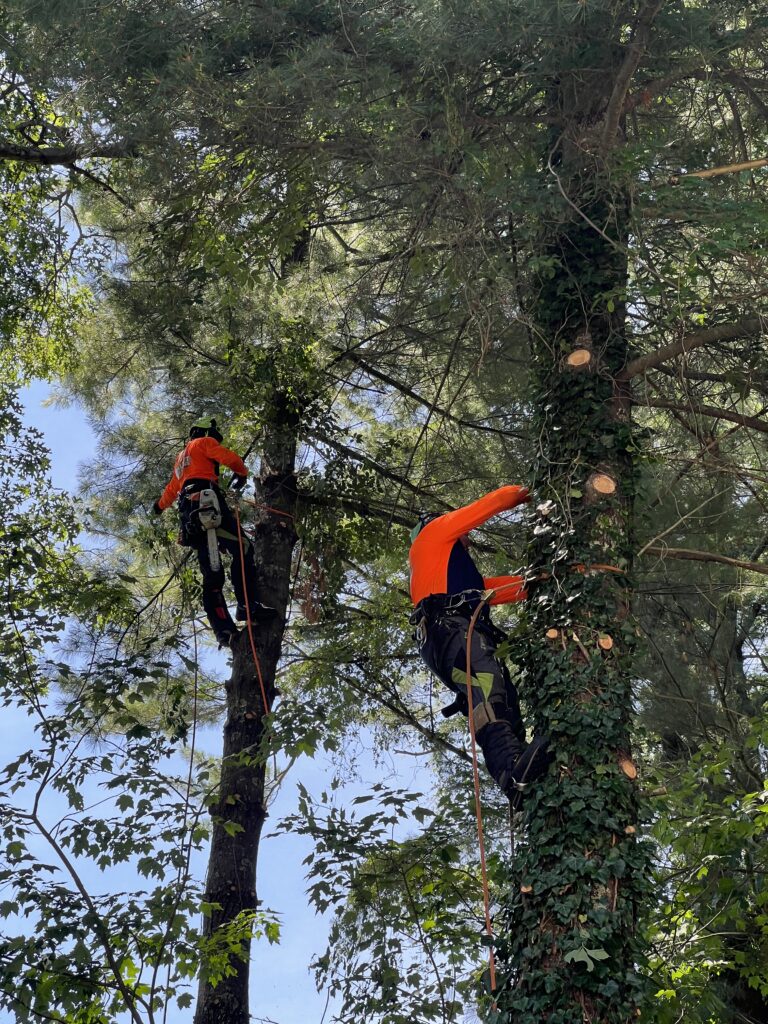
Ornamental trees can bring color, shape, shade, and character to a property, but they need careful maintenance to stay healthy. Many pruning mistakes happen when homeowners try to improve the look of their trees without realizing how each cut affects growth, flowering, and structure. With the right approach, ornamental trees can stay attractive and strong for years. When the job requires expert care, Walnut Tree Service can help with professional ornamental tree pruning that protects both the tree and the property.
Why Proper Pruning Matters for Ornamental Trees
Ornamental trees are often planted for their appearance, so pruning must support both beauty and health. The goal is not just to make the tree smaller or neater. Proper pruning helps guide growth, remove weak or damaged branches, improve airflow, and reduce stress on the tree.
When ornamental trees are pruned correctly, they are more likely to maintain their natural shape, produce healthy blooms, and resist disease. When they are pruned incorrectly, they can become unbalanced, sparse, weak, or more vulnerable to decay.
Cutting Too Much or Too Little
One of the most common pruning mistakes is removing too much growth at once. Heavy pruning can shock ornamental trees, reduce flowering, and force weak new shoots to grow quickly. This can leave the tree looking thin or uneven and make it harder for it to recover.
On the other hand, pruning too little can also create problems. Dead, crossing, crowded, or damaged branches can block sunlight, limit airflow, and place extra weight on the tree. A balanced pruning approach removes what is necessary without stripping away healthy structure.
Making Cuts in the Wrong Place
Where a branch is cut matters. Cutting too close to the trunk can damage the branch collar, which is the area that helps the tree seal the wound. Leaving long stubs can also create openings for decay, pests, and disease.
Good pruning cuts are clean, controlled, and placed with the tree’s natural healing process in mind. This is one reason ornamental pruning takes more skill than simply trimming branches back. Each cut should have a purpose and should support the long-term health of the tree.
Pruning at the Wrong Time of Year
Timing is another major factor. Some ornamental trees bloom on old wood, while others bloom on new growth. Pruning at the wrong time can remove flower buds before they have a chance to open.
For many ornamental trees, the best timing depends on the species, the tree’s condition, and the reason for pruning. Dead or hazardous branches may need attention right away, but shaping and major pruning should be timed carefully. When in doubt, it is better to ask a professional before making cuts that could affect the next bloom cycle.
Using the Wrong Tools
Dull, dirty, or improper tools can leave rough cuts that are harder for the tree to seal. Dirty tools can also spread disease from one plant to another. Small hand tools may work for light pruning, but larger limbs require the right equipment and technique.
Before pruning, tools should be sharp, clean, and suited to the branch size. If a limb is too large, too high, or too close to a structure, it is time to stop and call a professional.
How Walnut Tree Service Helps Protect Ornamental Trees
Improper pruning can cause lasting damage, but proper care can preserve the health and appearance of ornamental trees. Walnut Tree Service understands how to assess tree structure, choose the right cuts, and prune with safety in mind.
For ornamental tree care in Stoughton, the Greater South Shore Area, and the Boston area, contact Walnut Tree Service or call (781) 640-0377 to schedule a professional pruning service.