Storms can damage more than roofs and windows; they can also compromise the health and stability of trees on your property. Deciding whether to save or remove a storm-damaged tree can be difficult, especially when it plays an important role in your landscape. With guidance from the experts at Walnut Tree Service, understanding how to assess storm damage can help you choose the safest and most effective course of action.
Common Signs of Storm Damage in Trees
Storms can place significant stress on trees, with strong winds and heavy rain weakening branches and affecting overall stability. Common signs of storm damage include broken or hanging branches, leaning trunks, exposed roots, and split trunks or large limbs torn away. Identifying the type and extent of damage is the first step in determining whether a tree can recover or should be removed.
How to Identify When You Can Save a Storm-Damaged Tree
Many storm-damaged trees can recover if their main structure remains stable. If a tree has only small or medium branch damage, along with a healthy root system and a solid, upright trunk, it shows strong signs that you can save it. Acting quickly with professional pruning and care can help prevent disease, decay, and further structural problems.
Signs a Tree Should Be Removed After Storm Damage
Severe storm damage can sometimes compromise a tree beyond repair, making removal the safest option. Warning signs include a deeply split trunk, significant root damage with exposed or lifted soil, and large portions of the canopy missing. A tree that suddenly leans heavily in a new direction may also be unstable and unlikely to recover safely.
Safety Risks of Leaving a Damaged Tree Standing
Structural problems may exist even if they aren’t immediately visible. Over time, those weaknesses can cause branches to fall without warning. Even a single large limb can cause significant damage if it falls from a height. Storm-damaged trees are especially dangerous in areas where people walk, park, or spend time outdoors. A weakened tree can also interfere with power lines or block driveways.
Tree Evaluation and Inspection Steps
Begin with a simple inspection from the ground. Walk around the tree slowly and look for signs of structural problems. During this inspection, pay close attention to a few key areas:
- The trunk for cracks, splits, or missing bark
- The base of the tree for lifted soil or exposed roots
- The canopy for hanging or broken branches
If you notice significant damage, you should consider calling a professional arborist for a full evaluation.
Treatment Options for Salvageable Trees
Proper care helps a tree recover and stay healthy when you can save it. One of the most common treatments is professional pruning. Removing broken branches allows the tree to focus its energy on healing. Strategic pruning can also rebalance the canopy and reduce stress on remaining limbs. This helps prevent additional breakage during future storms. In some cases, tree care professionals may also monitor the tree over time to ensure it continues to grow safely. Watching for early signs of disease or decay is important after storm damage.
When Professional Removal Is the Best Choice
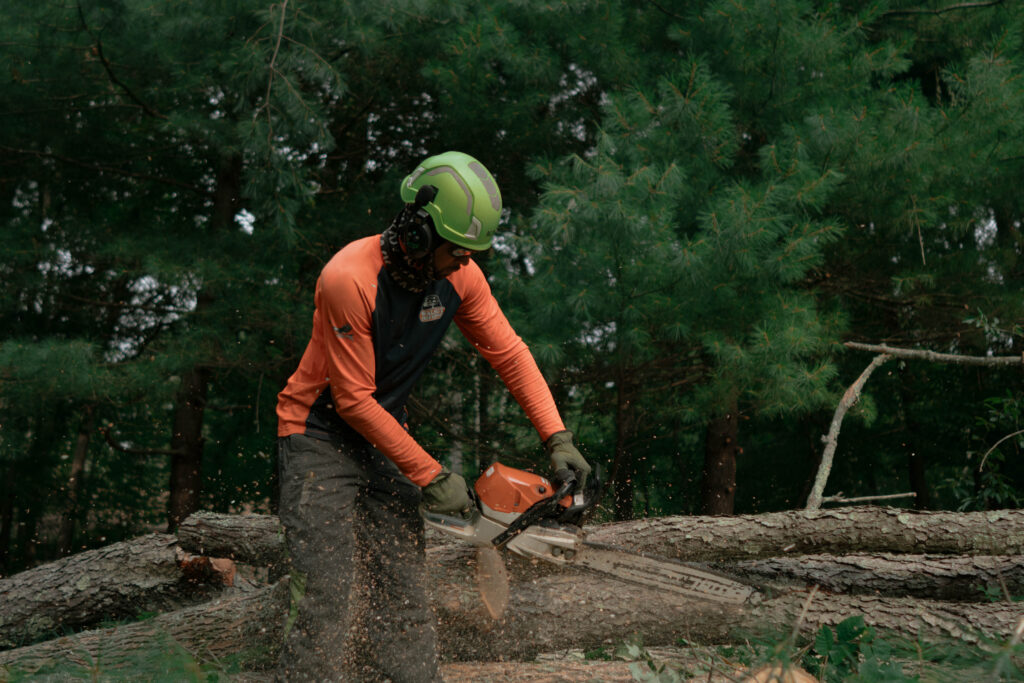
Tree removal becomes necessary when the damage poses a clear safety risk. A severely compromised trunk or dangerous lean makes keeping the tree in place risky. Attempting to cut a tree down without proper equipment can be extremely dangerous. Professional tree removal teams use specialized tools and controlled techniques to safely remove damaged trees.
How Walnut Tree Service Can Help
Walnut Tree Service has decades of experience helping homeowners assess and manage storm-damaged trees. Our team understands how to identify structural weaknesses and determine the safest course of action. We provide a full range of services, including tree inspections, recovery pruning, and safe tree removal when necessary. If you are unsure about the condition of a storm-damaged tree, contact Walnut Tree Service today by calling (781) 640-0377 or filling out a simple form.